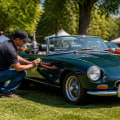
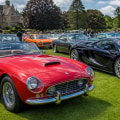
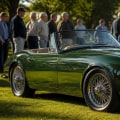
Car club events have become a vibrant part of automotive culture, drawing enthusiasts from all walks of life to celebrate their shared passion for vehicles. These gatherings range from casual meet-ups to large-scale shows, offering a platform for car lovers to showcase their prized possessions, exchange knowledge, and build lasting friendships. As the popularity of these events continues to grow, many potential participants find themselves curious about the types of cars that are eligible to join in on the fun. Understanding the restrictions on car participation is crucial for anyone looking to attend a car club event. While some clubs embrace a wide variety of vehicles, including classic cars, modern sports cars, and even modified rides, others may have specific criteria that dictate which models can participate.
This can include factors such as the car's age, make, model, or even its condition. For instance, certain clubs may focus exclusively on vintage vehicles, while others might cater to enthusiasts of high-performance cars. As you delve deeper into the world of car club events, you'll discover that these restrictions are often put in place to maintain a certain atmosphere or theme at the event. Whether you're a seasoned collector or a newcomer eager to learn more about automotive culture, understanding these guidelines will help you navigate the landscape of car club participation and ensure that you find the right event that aligns with your interests.
What Are Car Club Events?
Car club events are gatherings organized by car enthusiasts who share a common interest in specific types of vehicles. These events serve multiple purposes, including fostering community, sharing knowledge, and showcasing vehicles.They can range from informal meetups to large-scale exhibitions and competitions.At their core, car clubs are organizations formed around a shared passion for automobiles. Members often come together to discuss their interests, participate in activities, and attend events that celebrate their love for cars. The definition of a car club can vary widely; some clubs focus on particular brands or models, while others may center around specific themes such as classic cars, muscle cars, or electric vehicles.
Types of Car Clubs
- Brand-Specific Clubs: These clubs are dedicated to enthusiasts of a particular car manufacturer, such as Ford, Chevrolet, or BMW. Members often share tips on maintenance and modifications specific to their brand.
- Model-Specific Clubs: Similar to brand-specific clubs, these focus on particular models within a brand.
For example, a club might be dedicated solely to the Ford Mustang.
- Classic Car Clubs: These clubs cater to owners and fans of vintage vehicles, often organizing events that celebrate the history and restoration of classic cars.
- Performance Clubs: Focused on high-performance vehicles, these clubs often engage in activities like track days and performance tuning workshops.
- Electric Vehicle Clubs: With the rise of electric cars, these clubs promote awareness and education about electric vehicle technology and sustainability.
Common Restrictions on Car Types in Car Club Events
When it comes to car club events, various restrictions may apply regarding the types of cars that can participate. These restrictions are often put in place to ensure safety, maintain a certain aesthetic, or adhere to the club's specific focus. Here are some common restrictions you might encounter:- Make and Model Restrictions: Some car clubs may only allow specific makes or models to participate.
For instance, a club dedicated to classic cars might restrict participation to vehicles manufactured before a certain year.
- Performance Specifications: Certain events may require cars to meet specific performance criteria, such as horsepower or engine size. This is particularly common in racing-oriented clubs where performance is a key focus.
- Modification Rules: Many car clubs have guidelines regarding modifications. Some clubs may only accept cars that are in their original condition, while others might encourage custom modifications as long as they adhere to safety standards.
- Safety Standards: All participating vehicles typically must meet basic safety requirements, including functional brakes, lights, and seatbelts. Clubs may also require cars to pass a safety inspection before being allowed at an event.
- Age Restrictions: Some clubs may impose age restrictions on vehicles, allowing only those that are considered vintage or classic.
This can vary widely depending on the club's focus.
Factors Influencing Car Type Restrictions
When it comes to car club events, several factors can influence the types of cars that are allowed to participate. Understanding these factors is crucial for both organizers and participants to ensure a smooth and enjoyable experience.Safety Regulations
One of the primary reasons for restrictions on car types is adherence to safety regulations.Many events require vehicles to meet specific safety standards, which can include:
- Functional brakes and steering systems
- Working lights and signals
- Seat belts and other safety features
Event Themes
The theme of a car club event can also dictate which types of cars are permitted. For instance:- A classic car show may only allow vehicles manufactured before a certain year.
- A performance-focused event might restrict participation to high-performance models.
- A themed rally could require cars that fit a specific aesthetic or brand.
Insurance Requirements
Another significant factor is the insurance requirements set by event organizers. Some events may require participants to have:- A minimum level of liability insurance coverage
- Proof of vehicle registration and ownership
- Specific insurance policies that cover participation in organized events
Types of Cars Typically Allowed in Car Club Events
When it comes to car club events, the types of cars allowed can vary significantly depending on the specific club and the nature of the event.However, there are some common categories that most clubs tend to embrace.
Popular Categories of Cars
- Classic Cars: These vehicles, typically over 20 years old, are often celebrated for their historical significance and unique designs. Car clubs that focus on classic cars usually welcome models from the 1950s to the 1980s, allowing enthusiasts to showcase their vintage rides.
- Modern Performance Cars: Many car clubs also cater to modern performance vehicles, including sports cars and high-performance sedans. Brands like Porsche, BMW, and Ford (especially the Mustang) are frequently seen at these events.
- Custom and Modified Cars: Enthusiasts who enjoy personalizing their vehicles often find a home in car clubs that celebrate custom builds. These events may feature everything from lifted trucks to lowered sedans, showcasing creativity and craftsmanship.
Considerations for Participation
While many clubs are inclusive, some may have specific restrictions based on factors such as:- Vehicle Age: Certain events may only allow cars from specific eras, focusing on either classic or modern vehicles.
- Condition: Clubs often require that participating cars be in good condition, both mechanically and aesthetically.
This ensures a high standard for all vehicles on display.
- Type of Modifications: Some clubs may restrict heavily modified cars or those with extreme alterations to maintain a certain aesthetic or performance standard.
FAQs About Car Club Event Restrictions
When it comes to car club events, many enthusiasts often wonder about the restrictions that may apply to the types of cars allowed to participate. Here are some frequently asked questions regarding these restrictions:What types of cars are typically allowed in car club events?
Most car clubs welcome a variety of vehicles, including classic cars, muscle cars, sports cars, and even modern vehicles. However, specific events may have their own criteria based on the theme or focus of the gathering.Are there restrictions based on car modifications?
Yes, some car clubs impose restrictions on modifications to ensure safety and maintain a certain aesthetic.For example, heavily modified vehicles may not be permitted in events that emphasize originality or classic restorations.
Do I need to be a member to participate?
While many car club events are open to non-members, some may require participants to be members of the club hosting the event. It’s best to check the specific event guidelines for details.Are there age restrictions for vehicles?
Some events may have age restrictions, such as only allowing cars manufactured before a certain year. This is particularly common in classic car shows where the focus is on vintage models.Can I bring a non-traditional vehicle?
This depends on the event. While most clubs focus on traditional cars, some events may welcome unique vehicles like electric cars or custom builds.Always verify with the event organizers.
What should I do if I'm unsure about my car's eligibility?
If you have questions about whether your vehicle meets the requirements for a specific car club event, it’s advisable to reach out directly to the organizers. They can provide clarity and help you understand any specific rules that apply.Understanding these common questions can help you navigate participation in car club events more effectively and ensure a smooth experience at your next gathering.Conclusion: Navigating Car Club Event Participation
In conclusion, understanding the restrictions on car types for car club events is crucial for anyone looking to participate. Each car club may have its own set of guidelines that dictate which vehicles are eligible for participation, often based on factors such as make, model, age, and modifications. This ensures that events maintain a certain standard and appeal to the interests of their members.As we have discussed, here are some key points to consider:- Make and Model: Many clubs focus on specific brands or types of vehicles, which can limit participation to those who own cars that fit within those parameters.
- Age Restrictions: Some events may only allow classic or vintage cars, while others might welcome modern vehicles as well.
- Modifications: Certain clubs may have rules regarding modifications, ensuring that all cars meet safety and aesthetic standards.
- Membership Requirements: Joining a car club often requires membership, which may include fees or adherence to specific club values.
This not only enhances the experience for individual participants but also contributes to the overall enjoyment and camaraderie within the car club community. Ultimately, respecting these guidelines fosters a more organized and enjoyable atmosphere at car club events, allowing enthusiasts to connect over their shared passion for automobiles.